Context. Recent observational efforts using imaging atmospheric Cherenkov telescopes (IACTs) have led to firm detections of very-high-energy (VHE) signals from bright gamma-ray bursts (GRBs), often at moderate redshifts.
Aims. This work presents 15 years of H.E.S.S. GRB observations and examines their implications through population comparisons and selected modelling cases.
Methods. GRBs are a key science target of the High Energy Stereoscopic System (H.E.S.S.). With a low-energy threshold (≲100 GeV) and rapid repointing capabilities, H.E.S.S. can begin follow-up observations within tens of seconds after a GRB trigger, covering the late prompt or early afterglow phases.
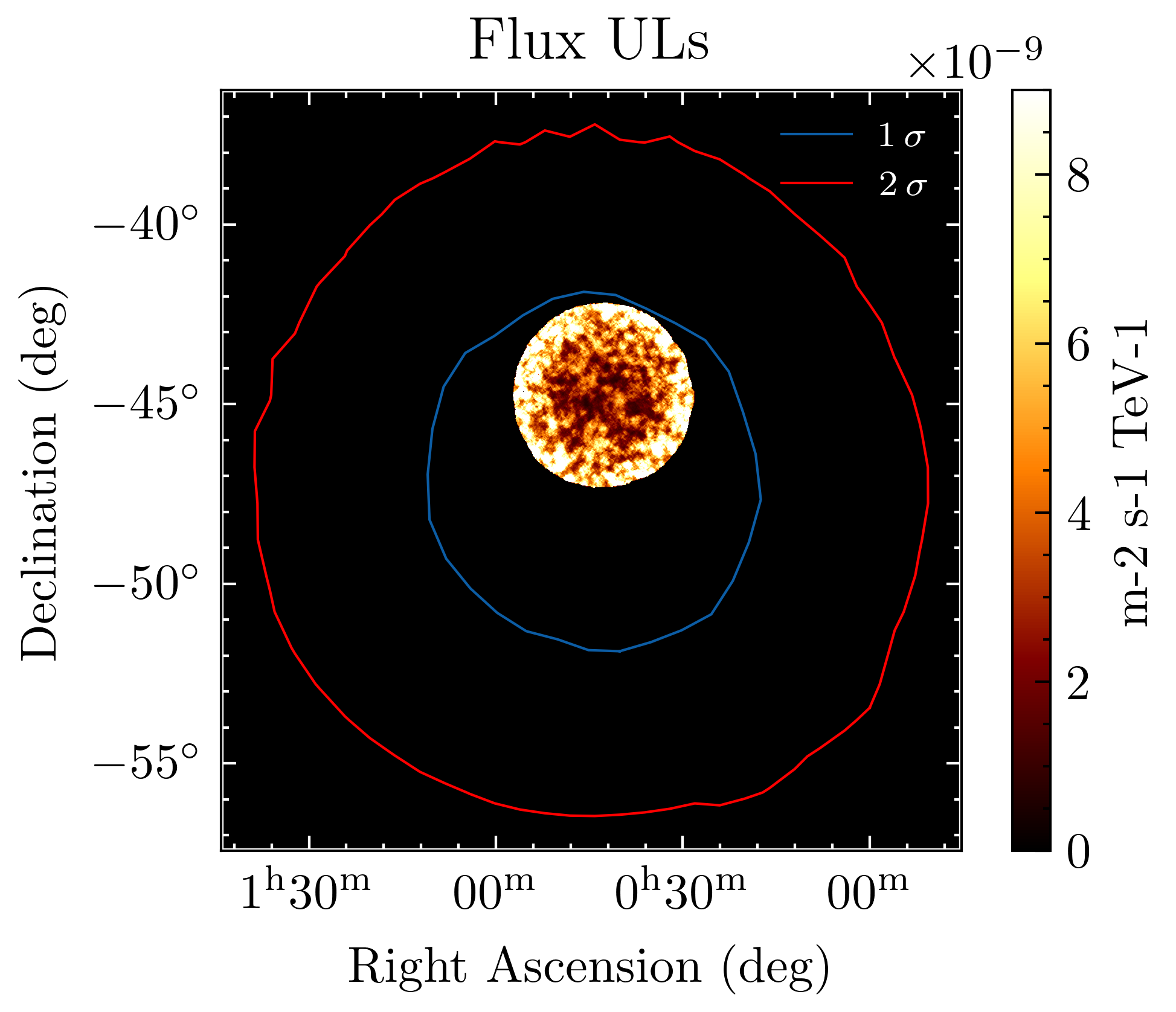
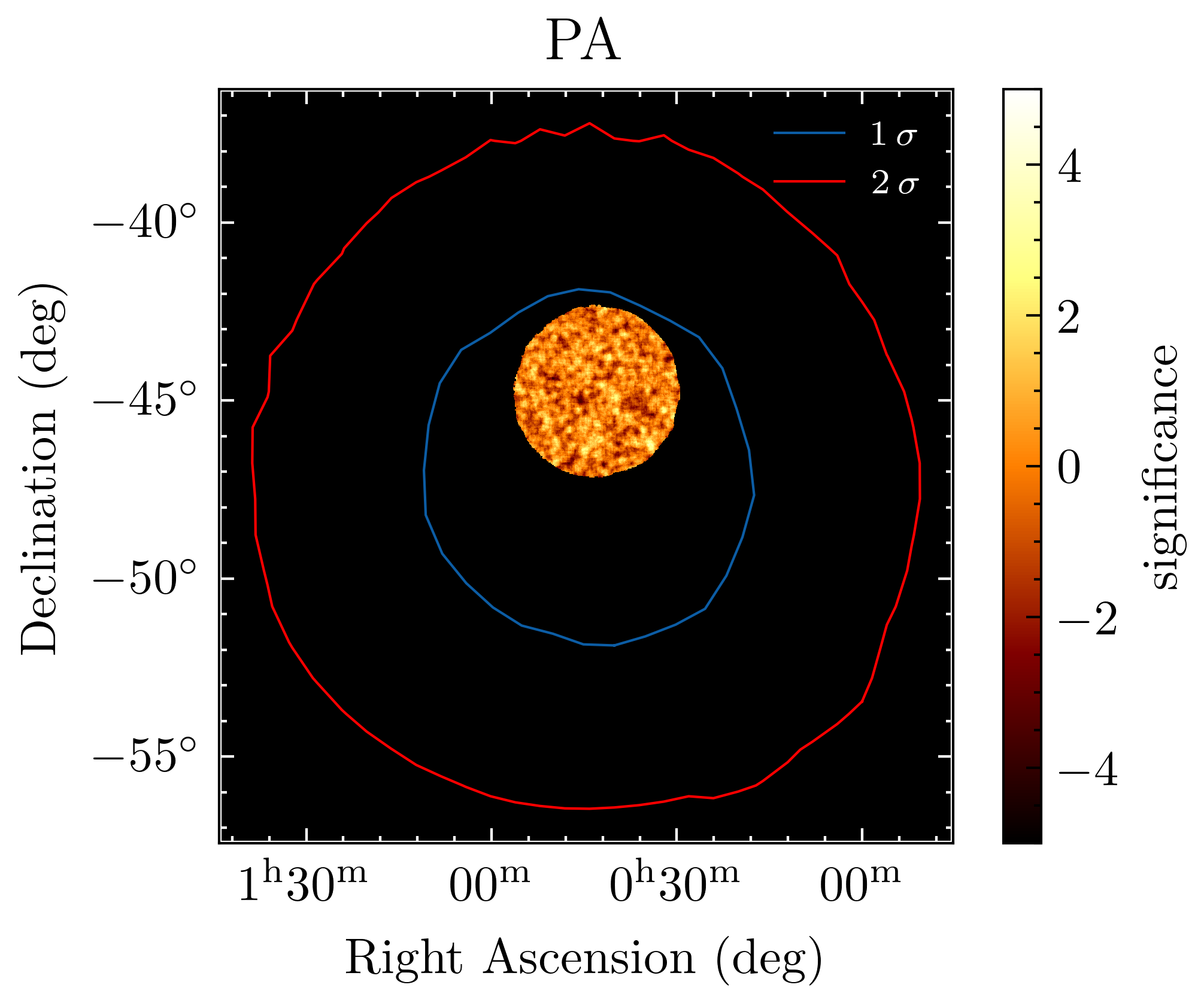
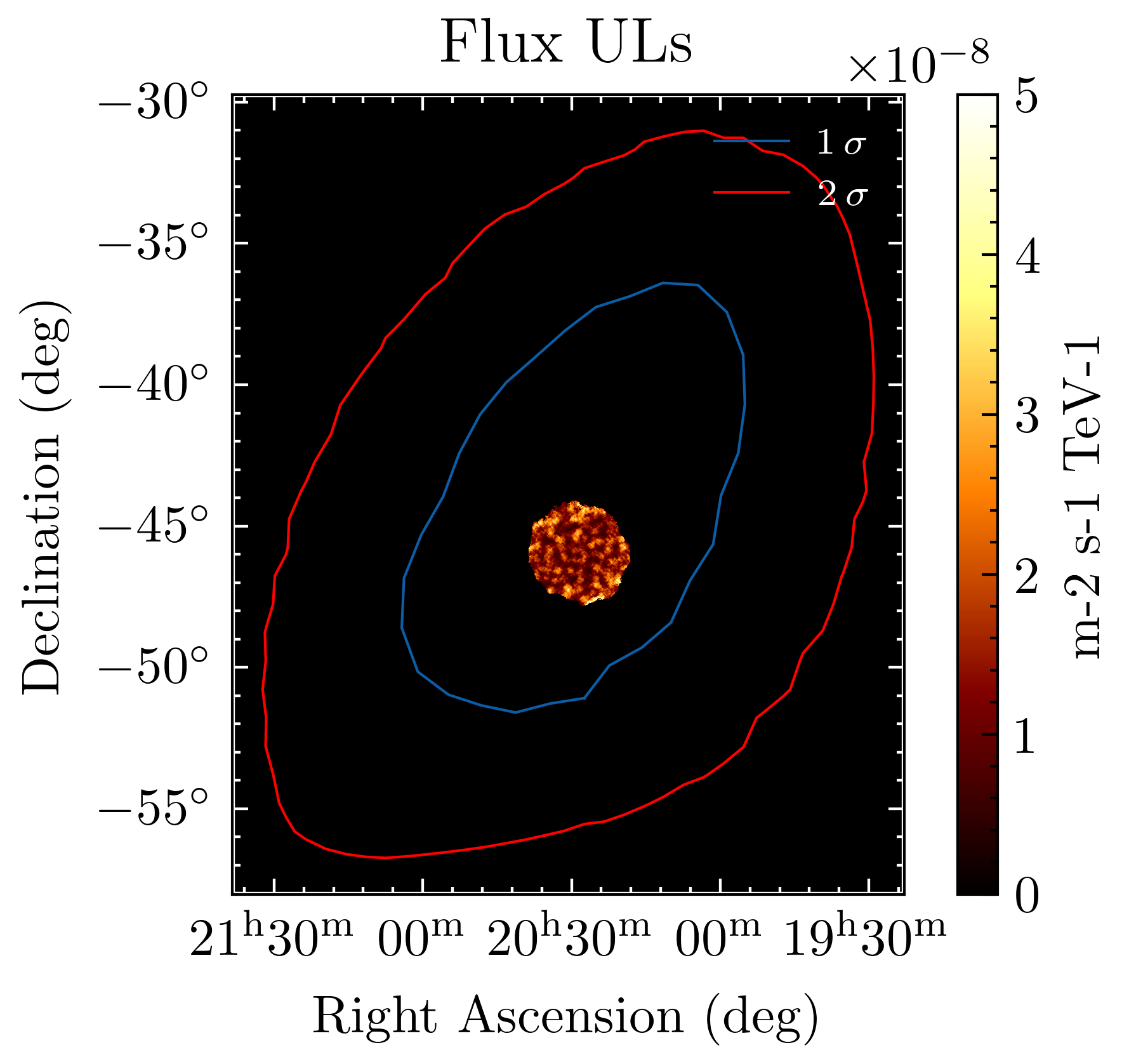
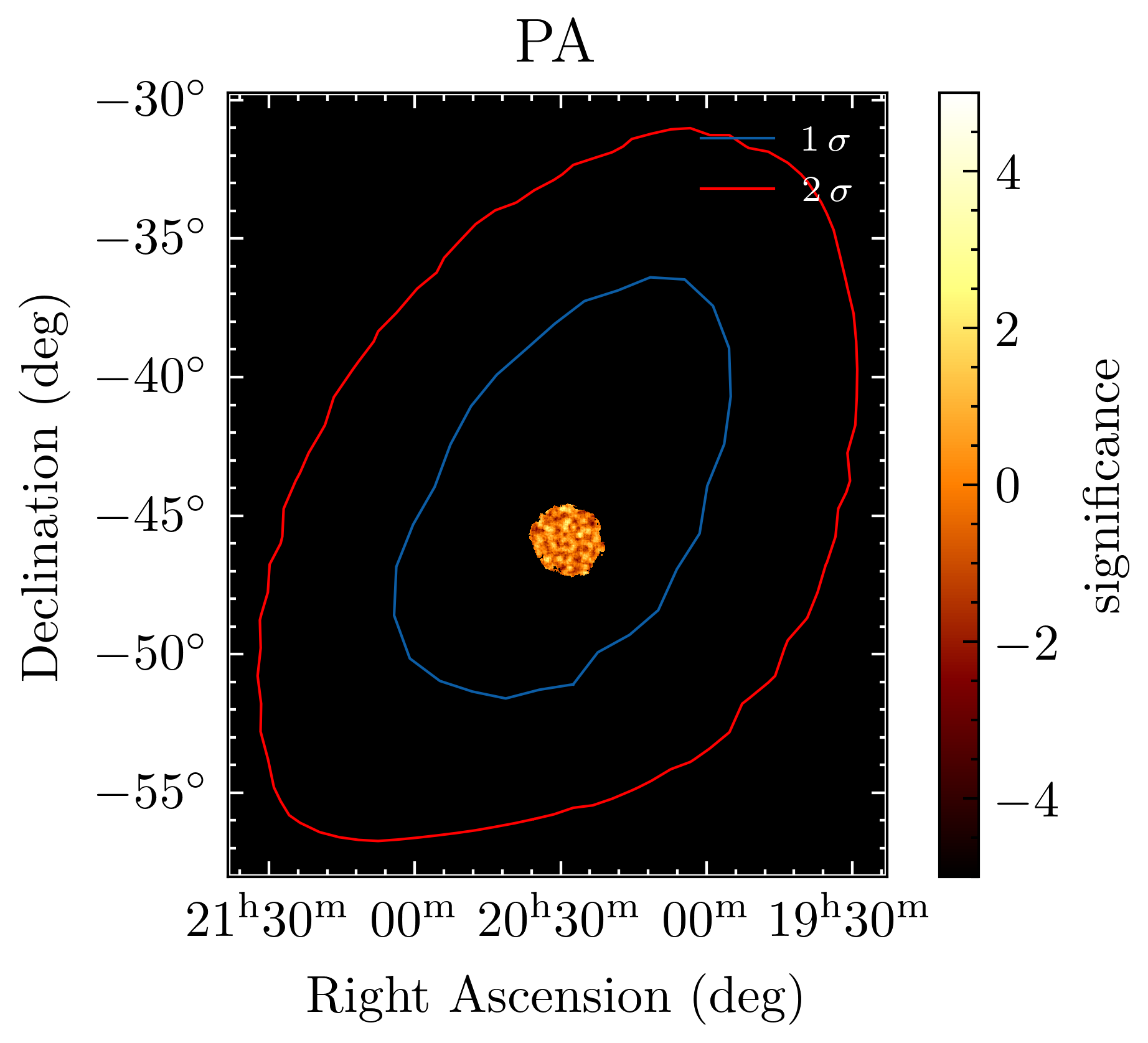
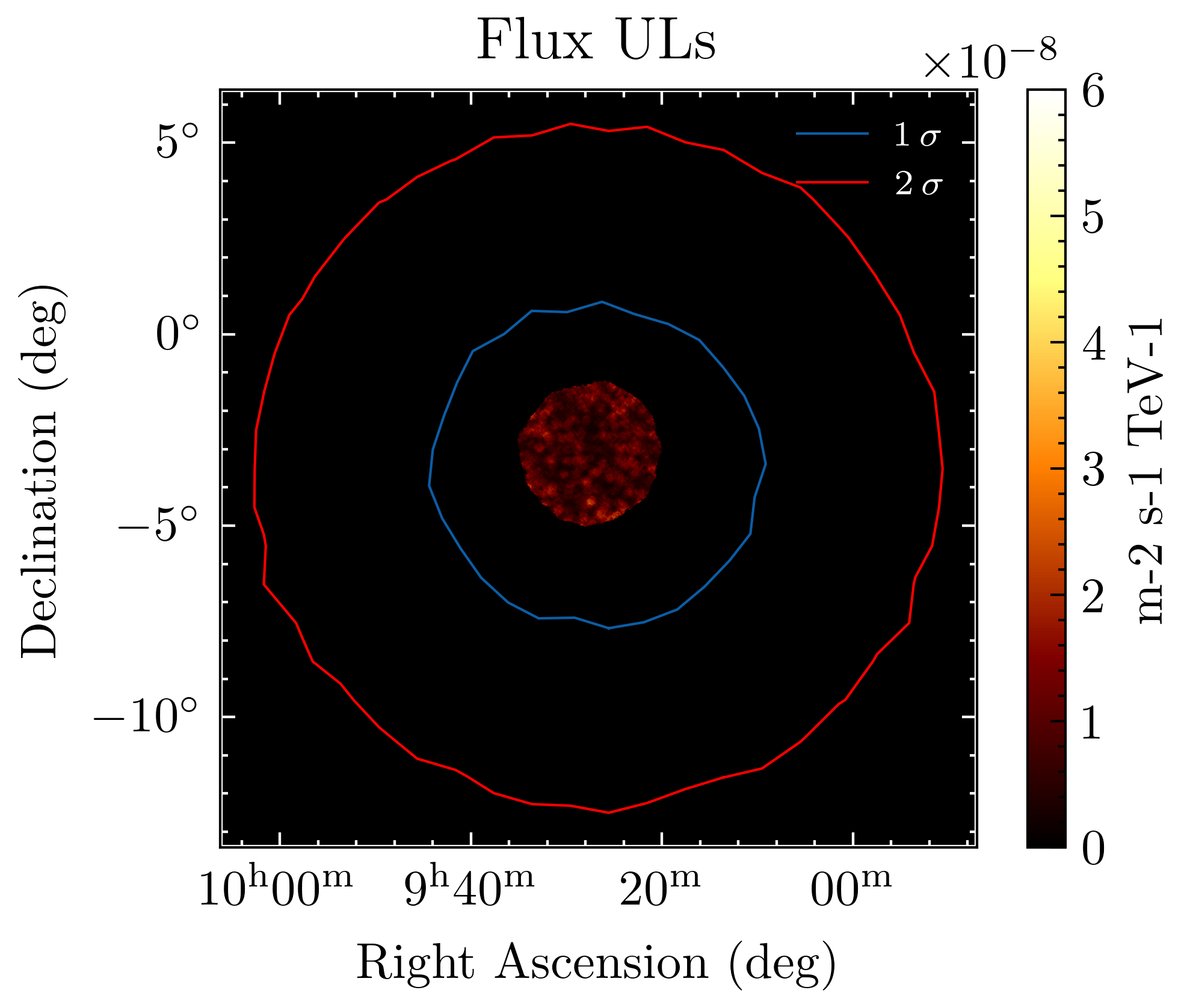
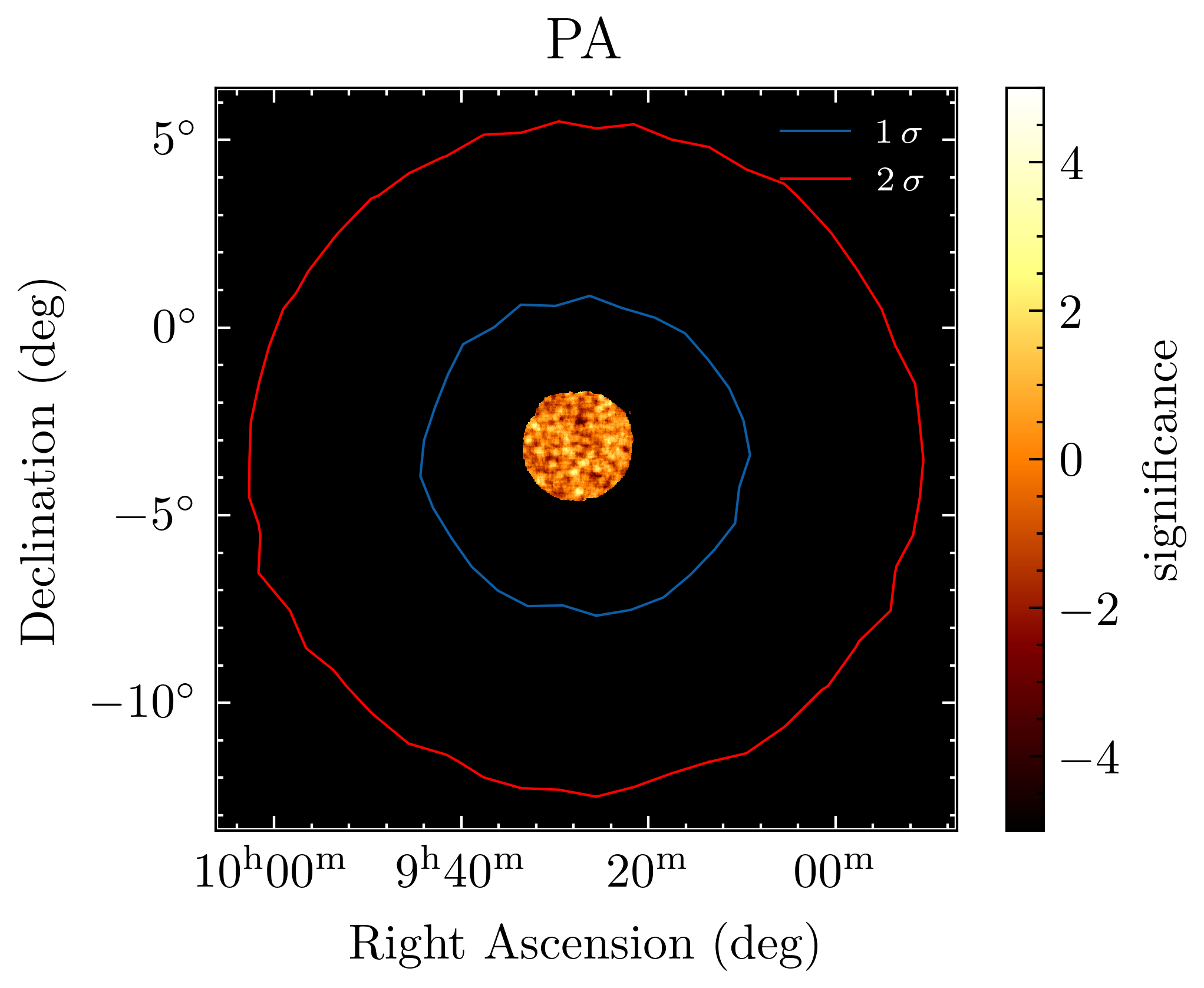
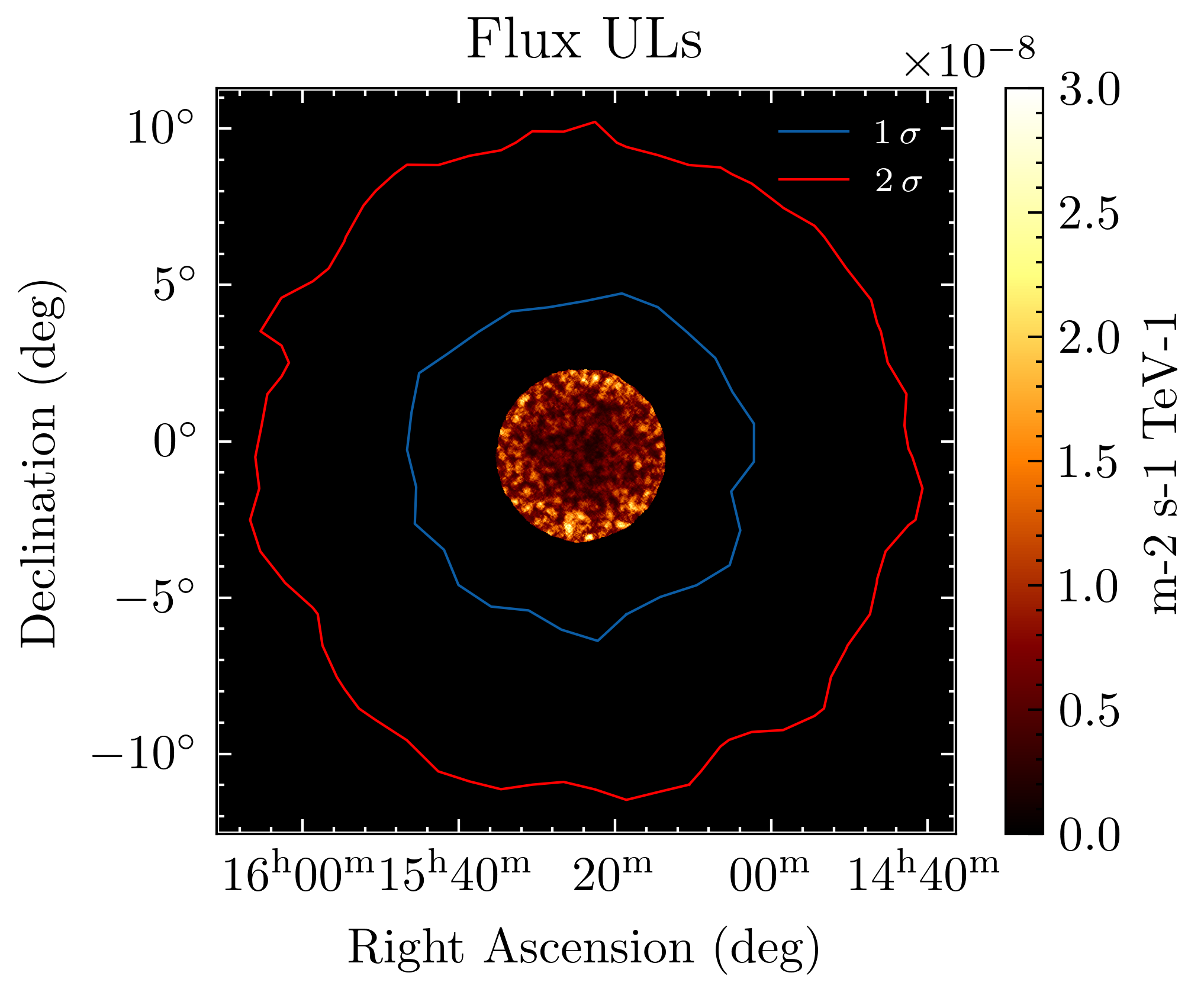
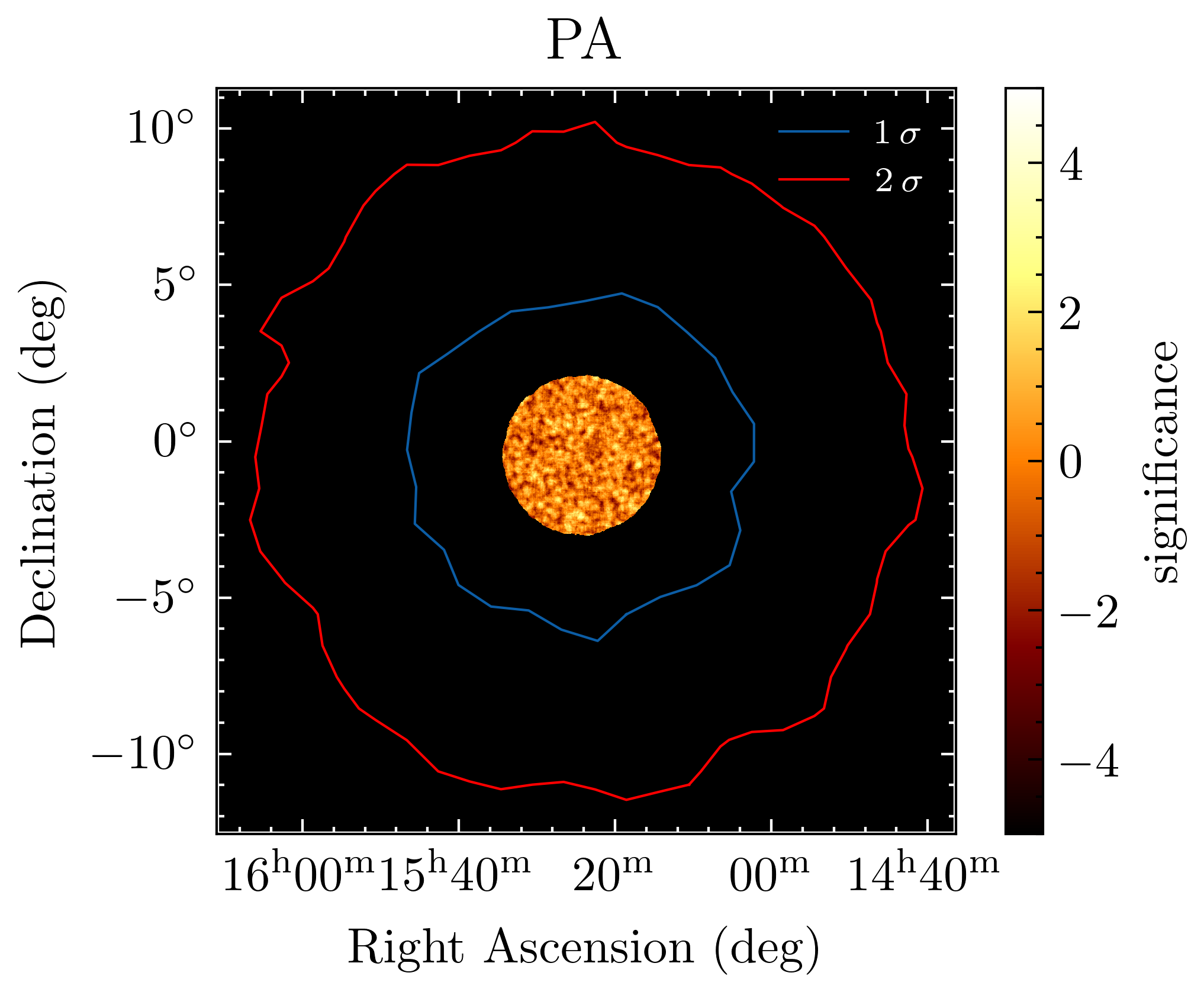
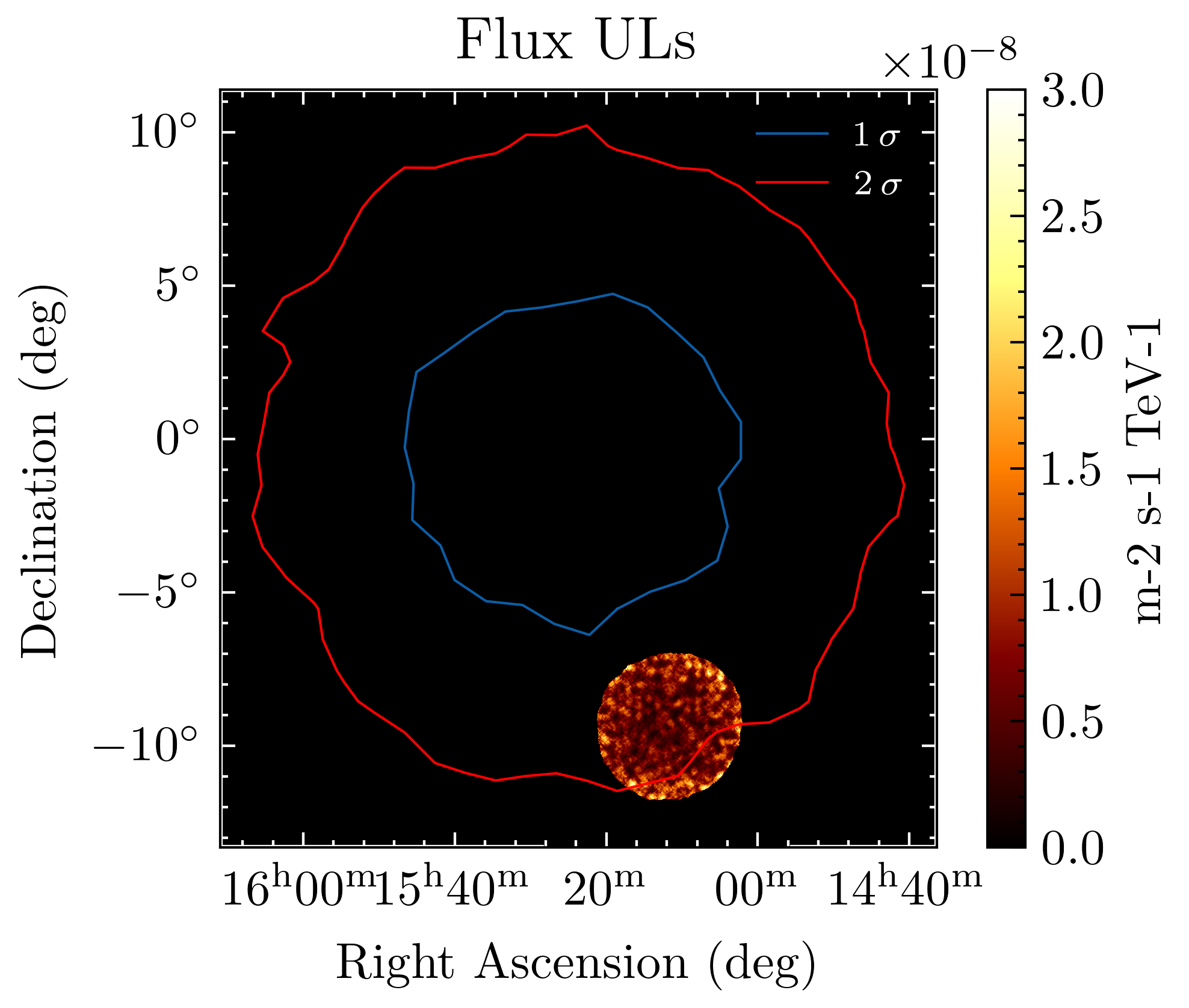
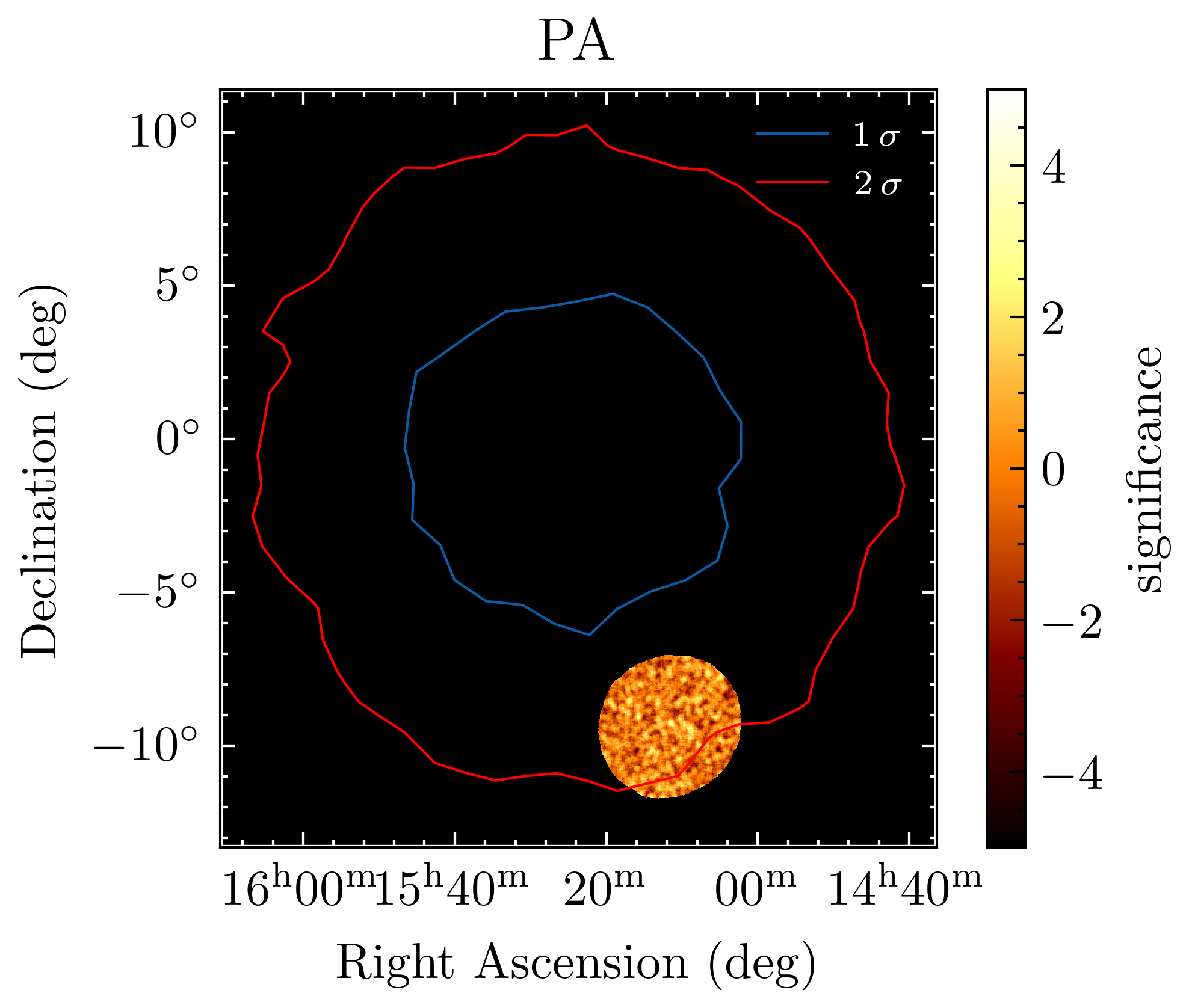
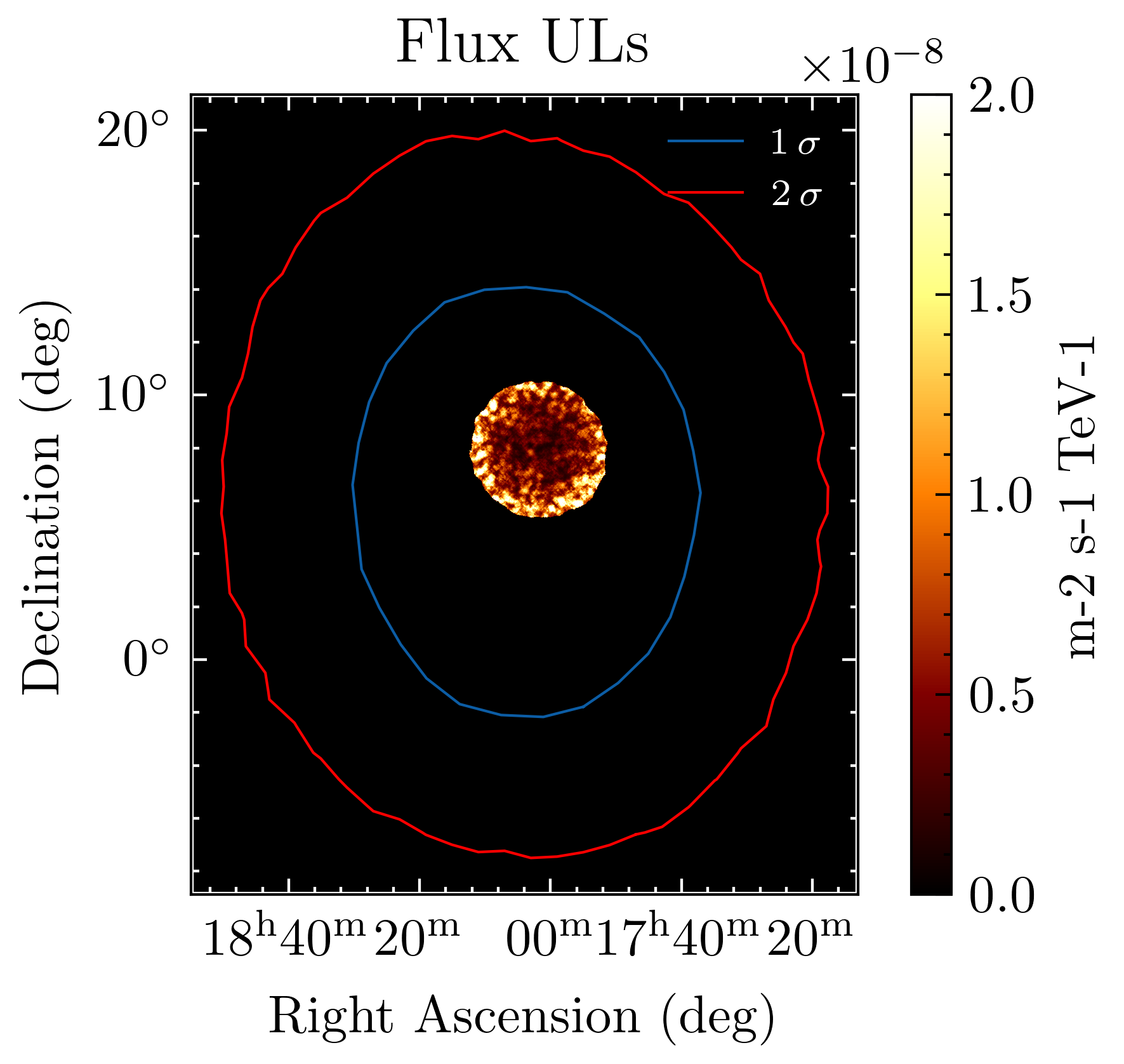
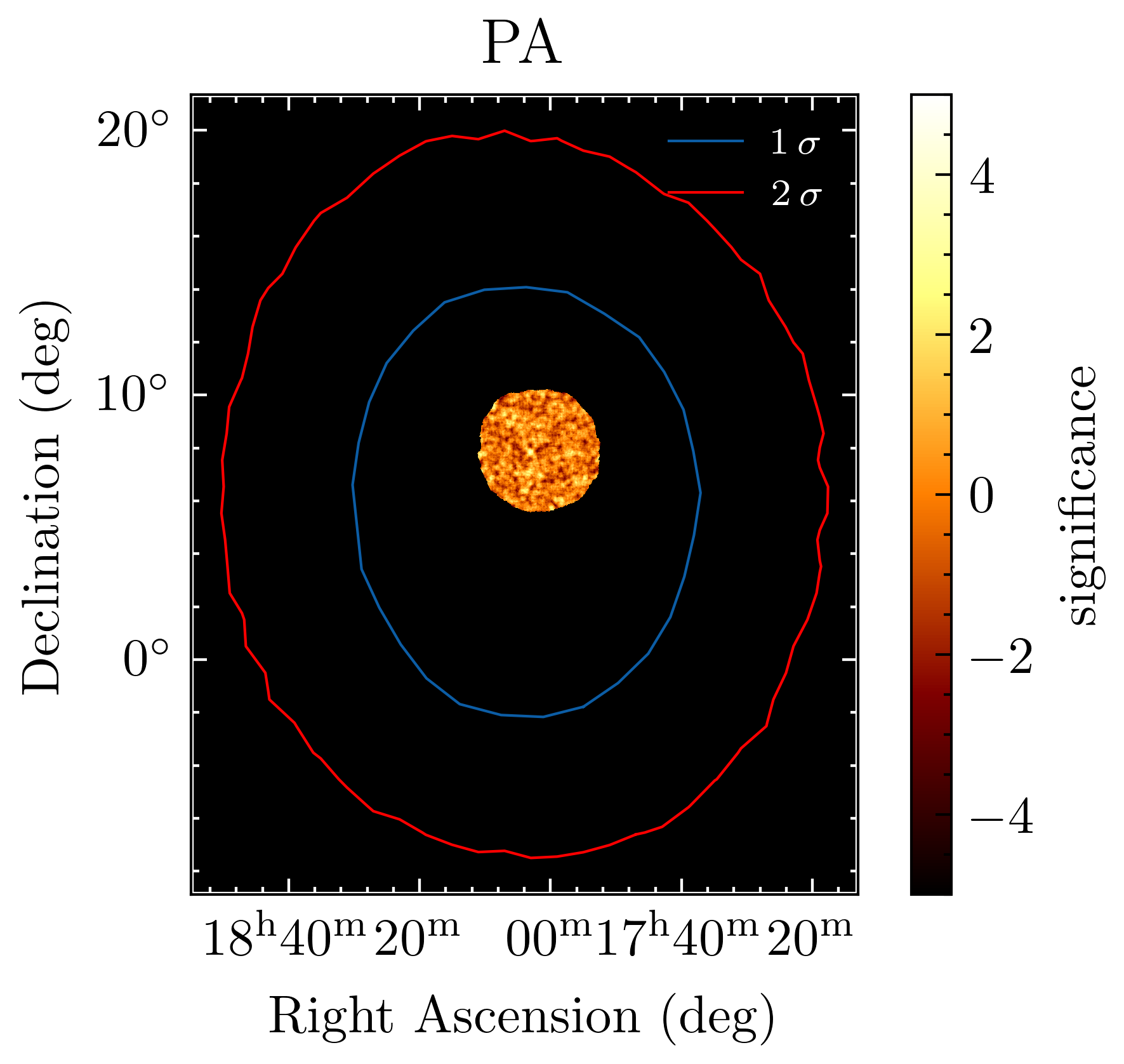
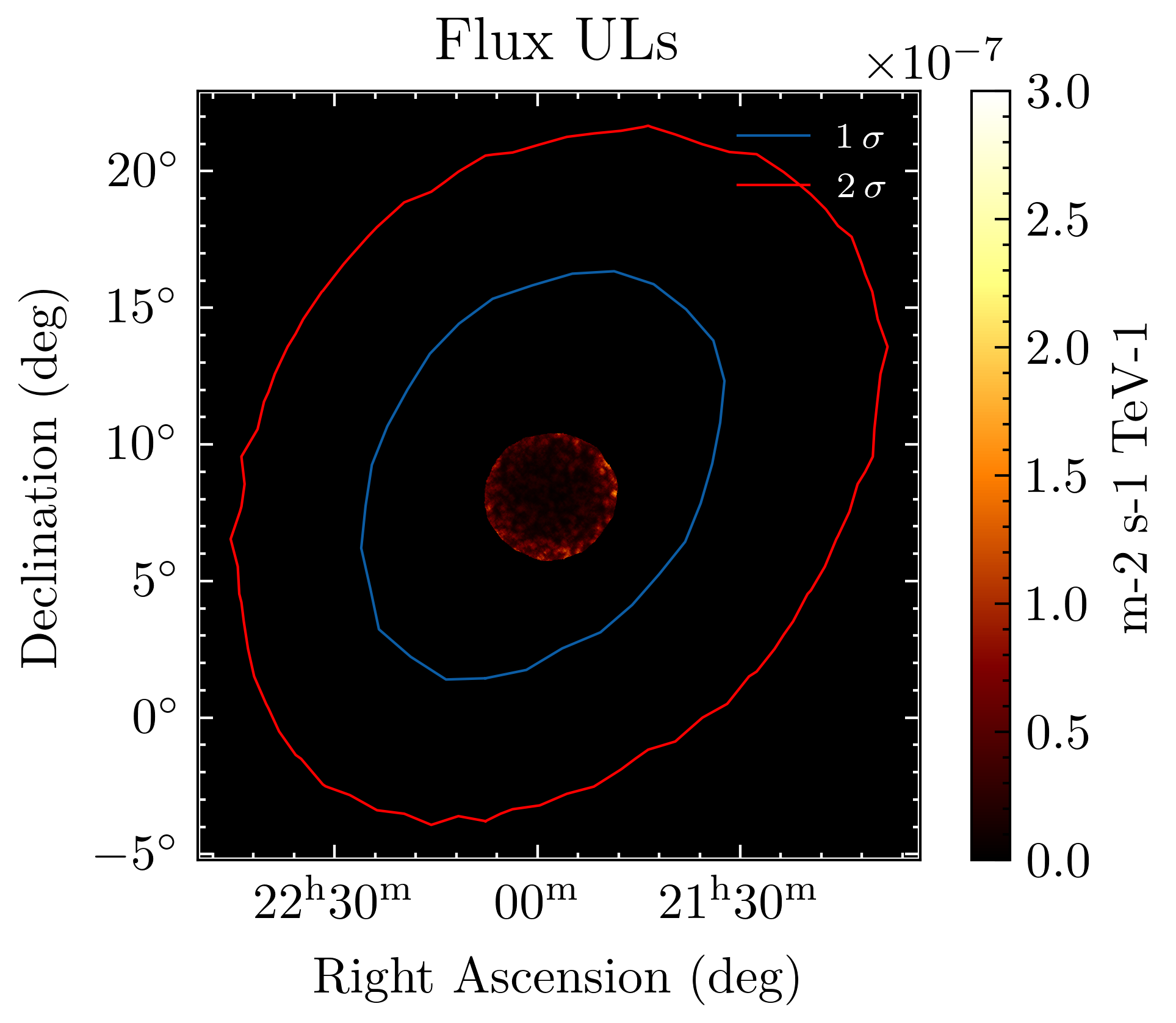
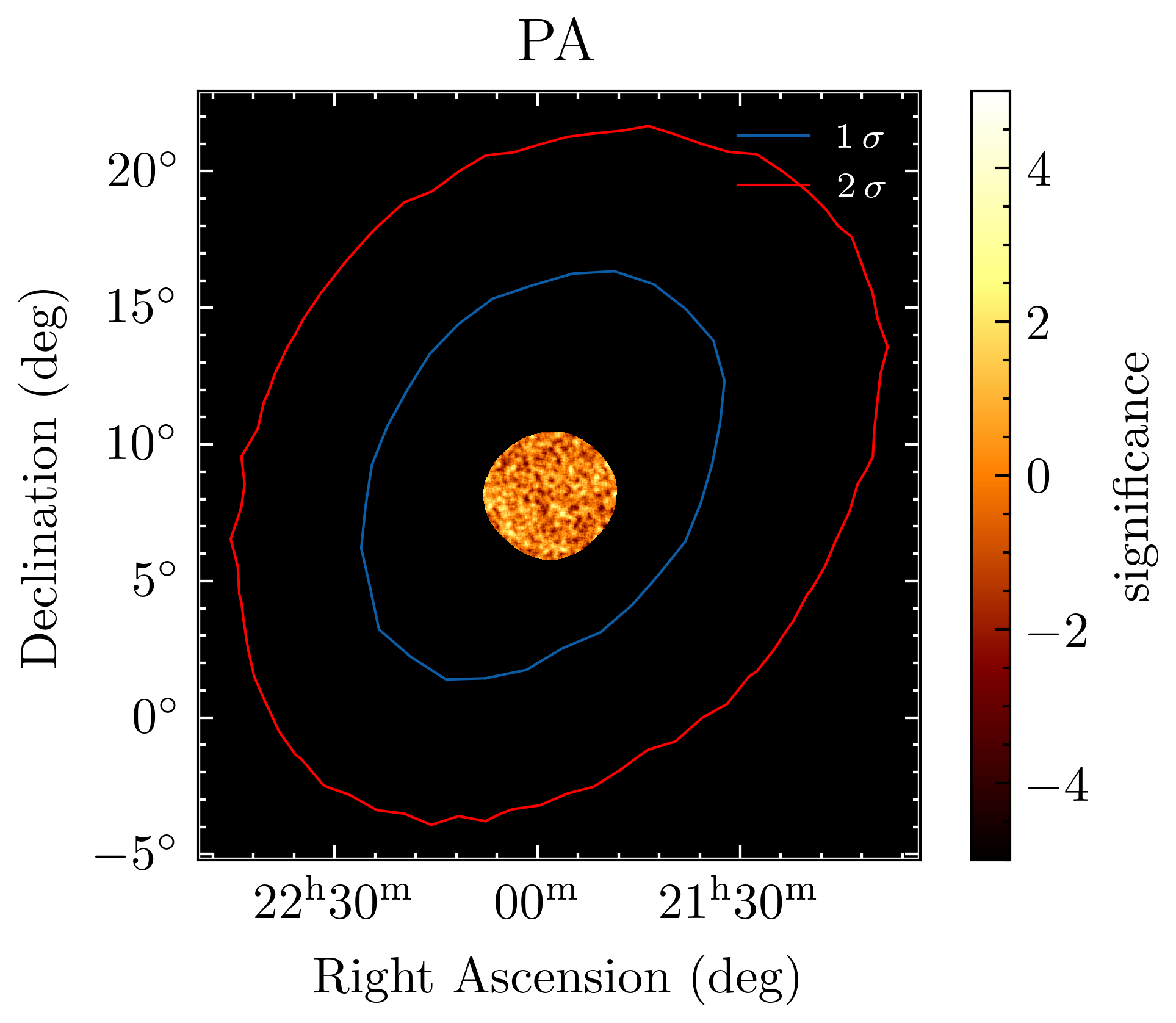
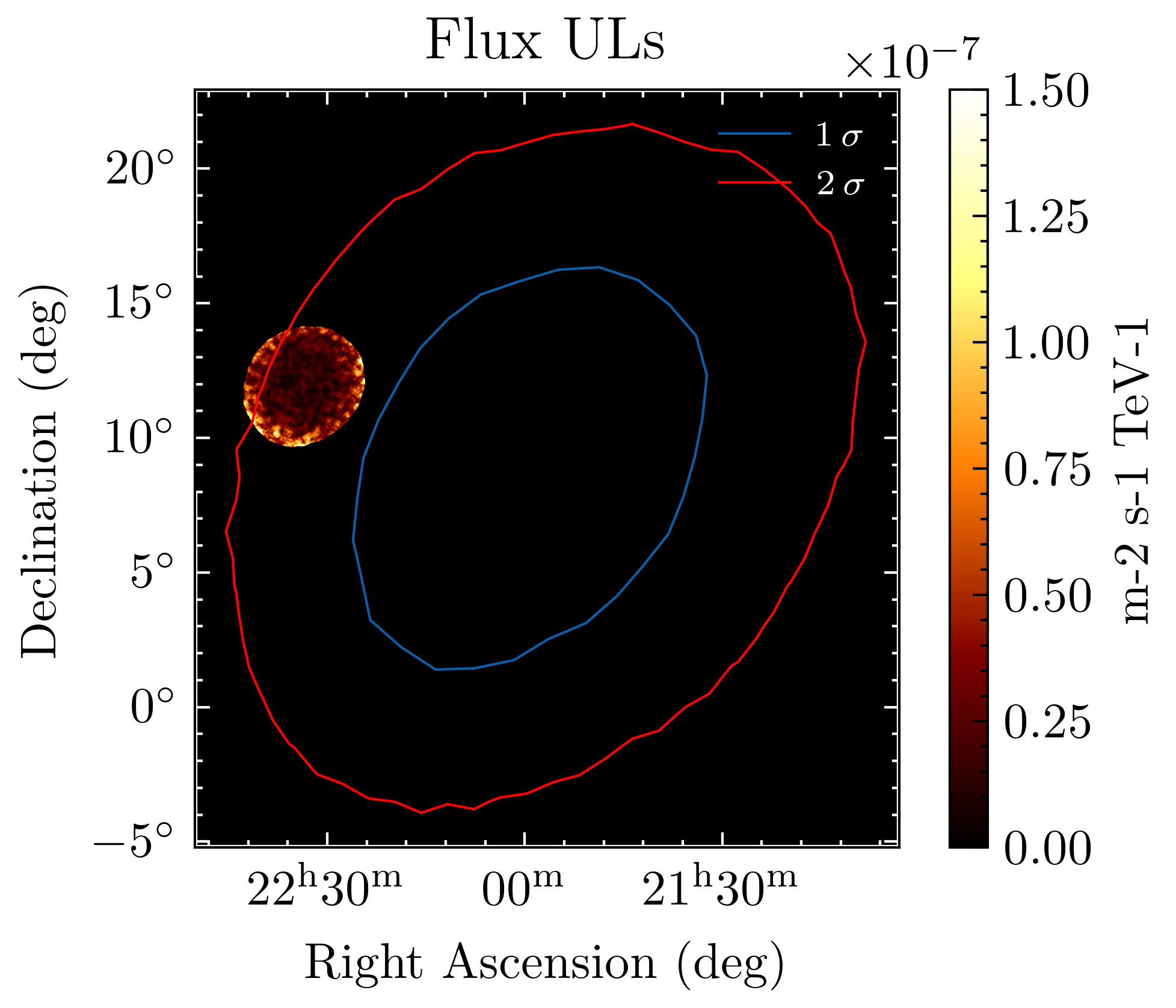
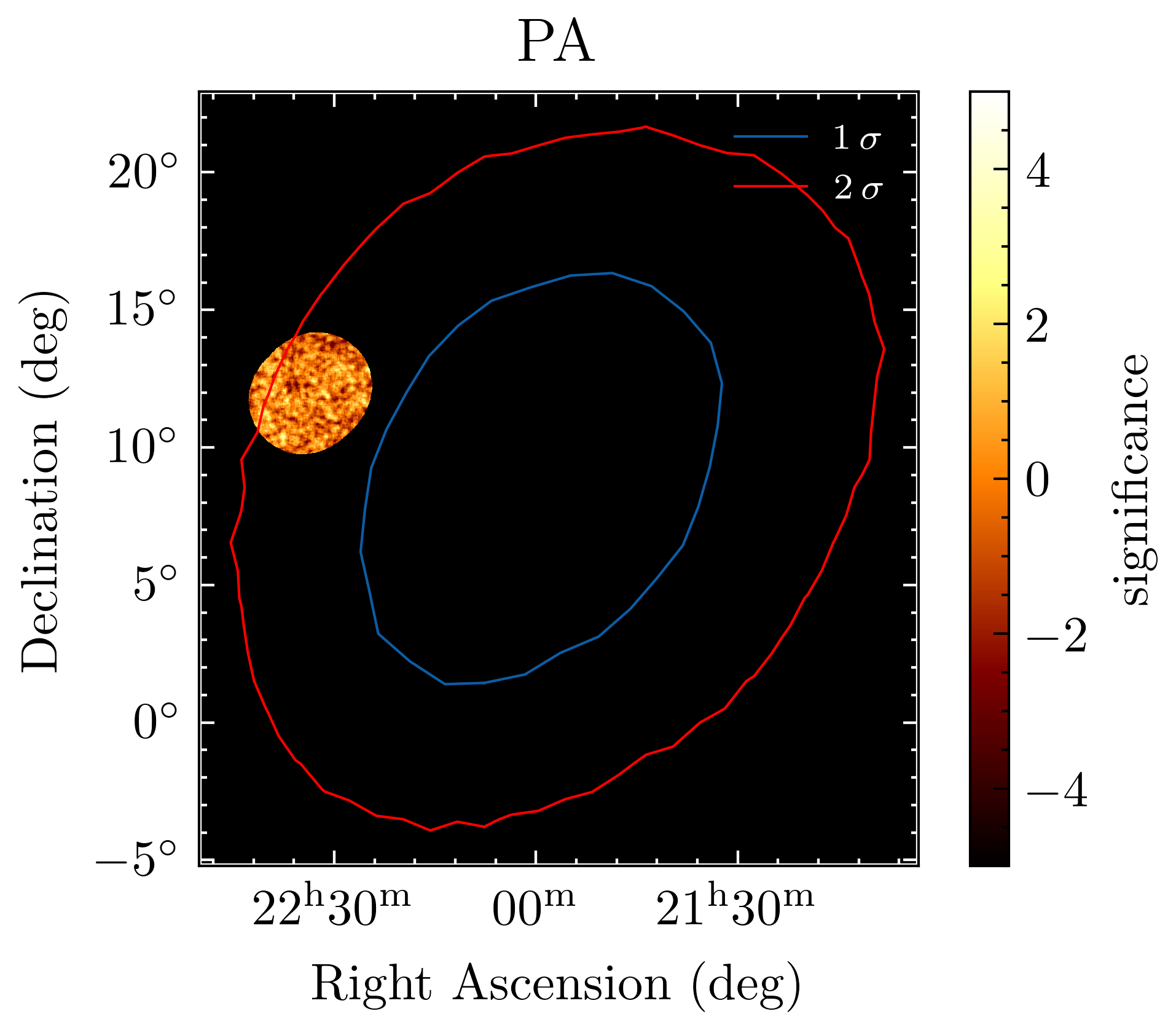
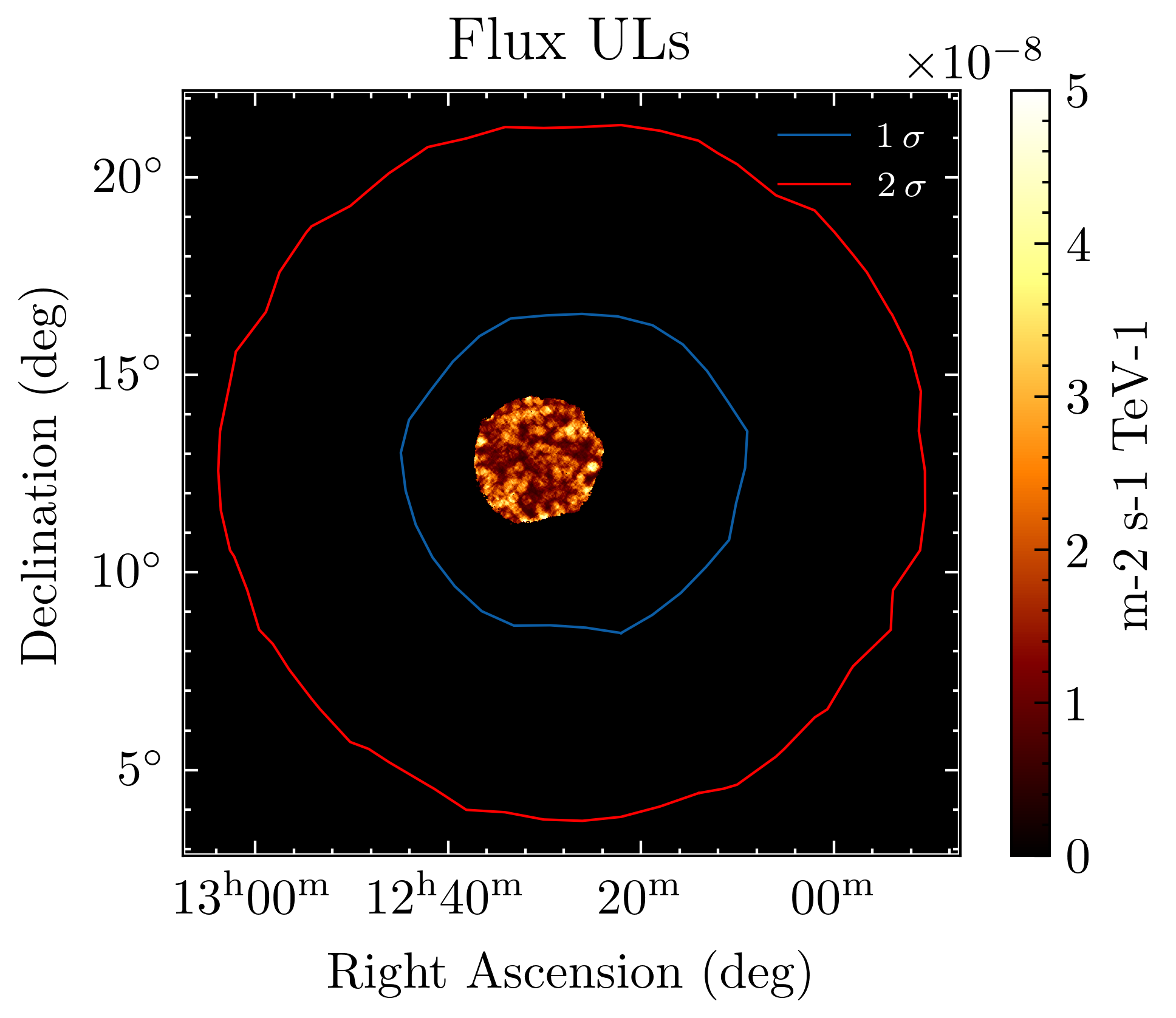
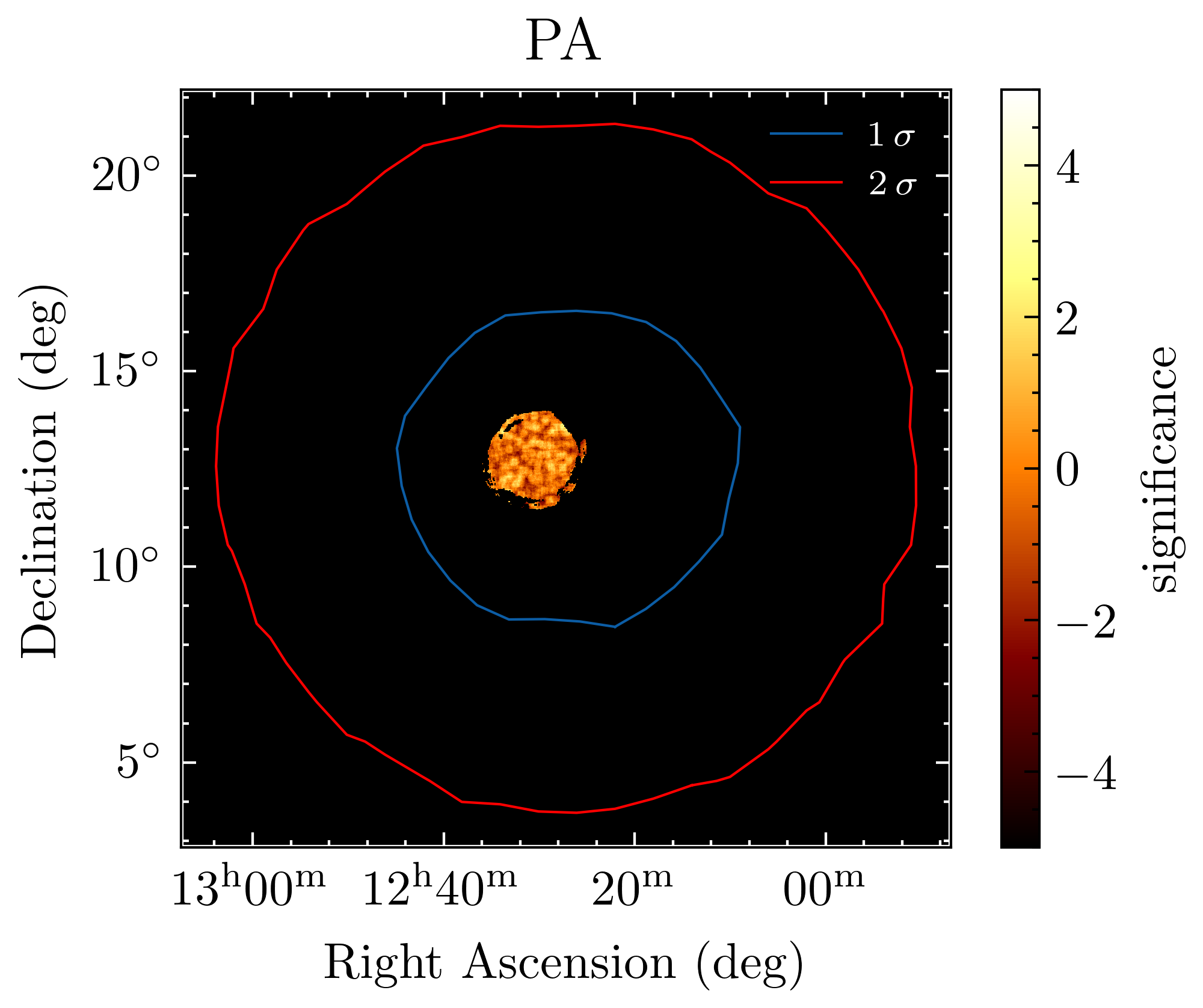
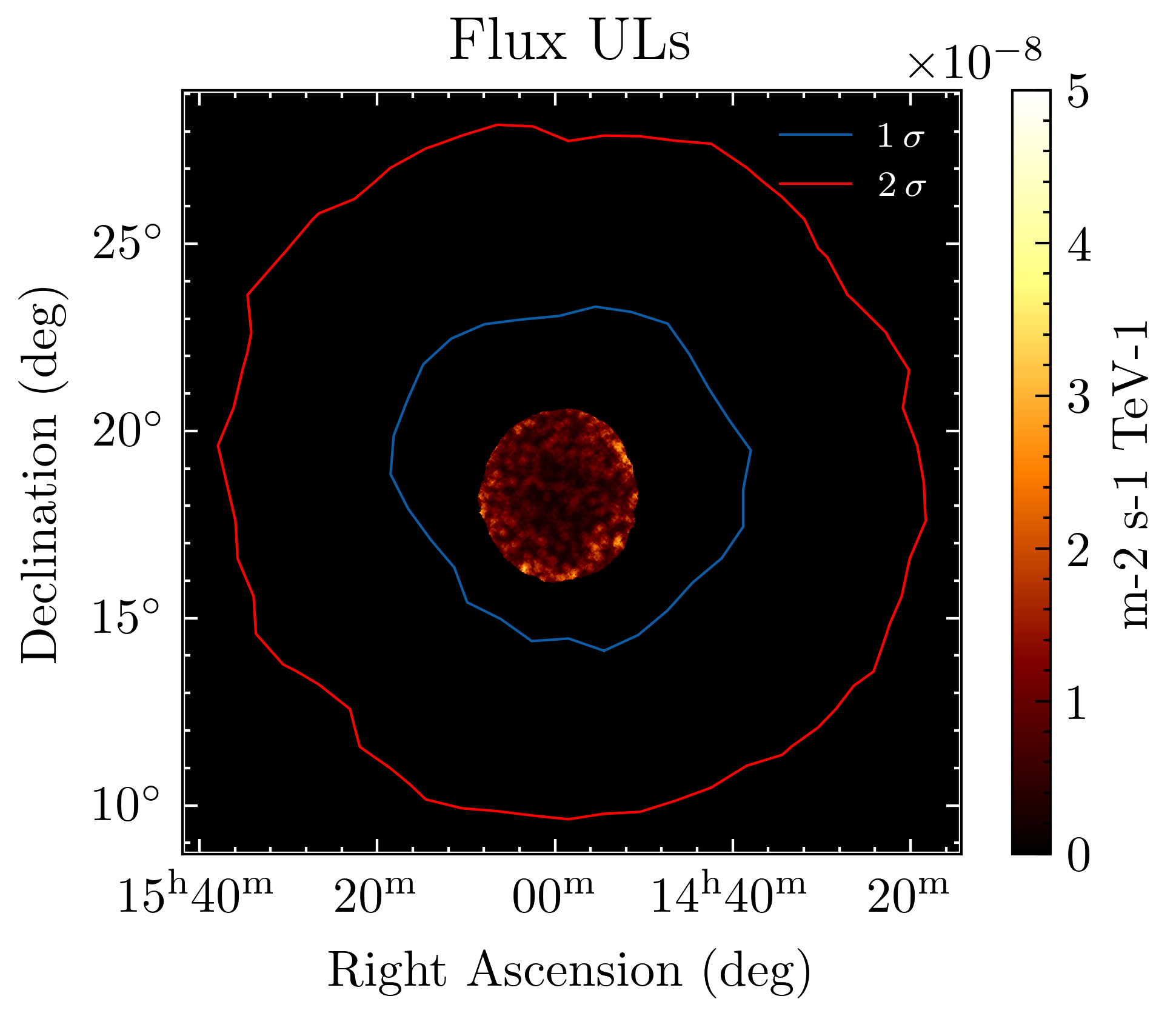
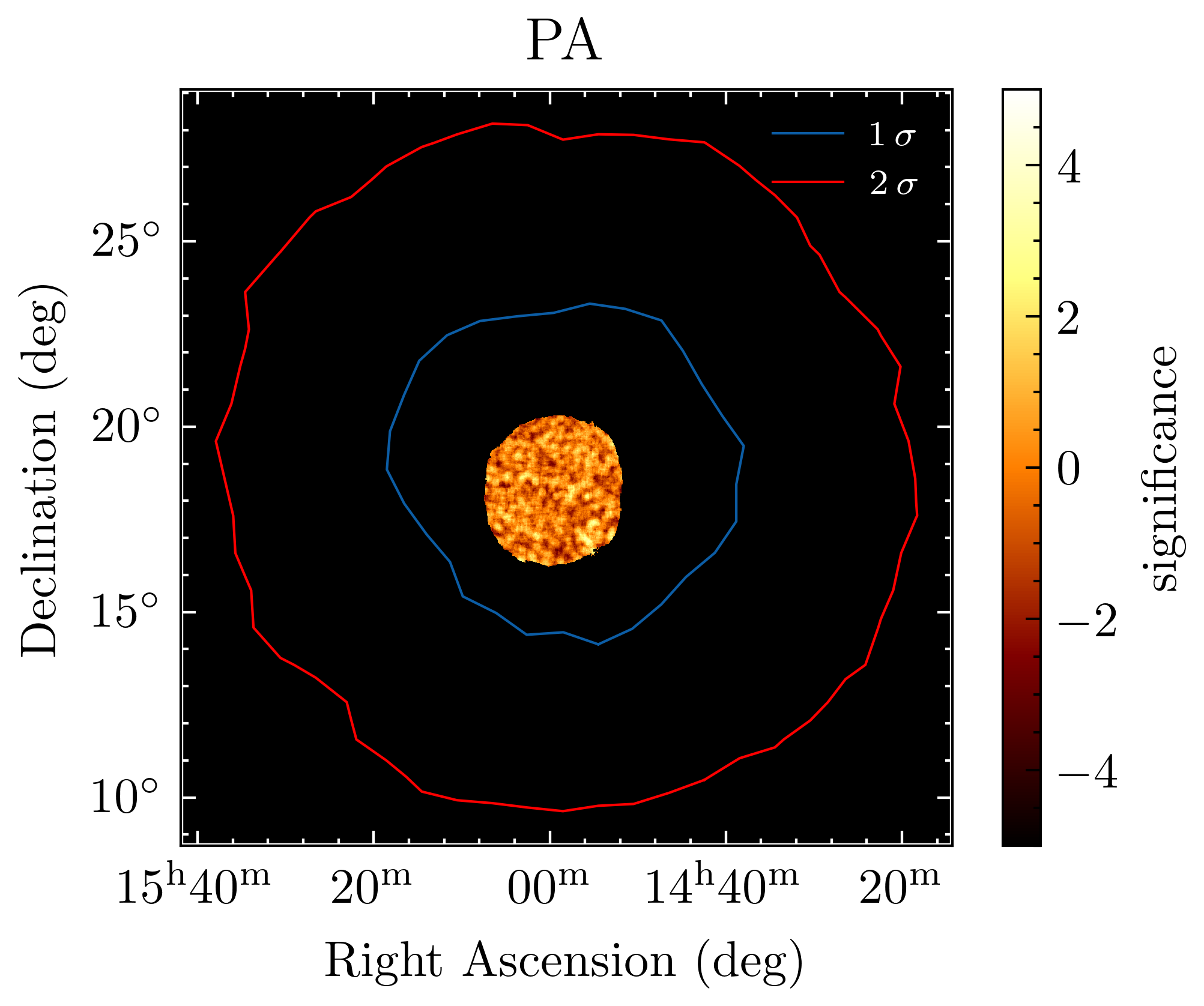
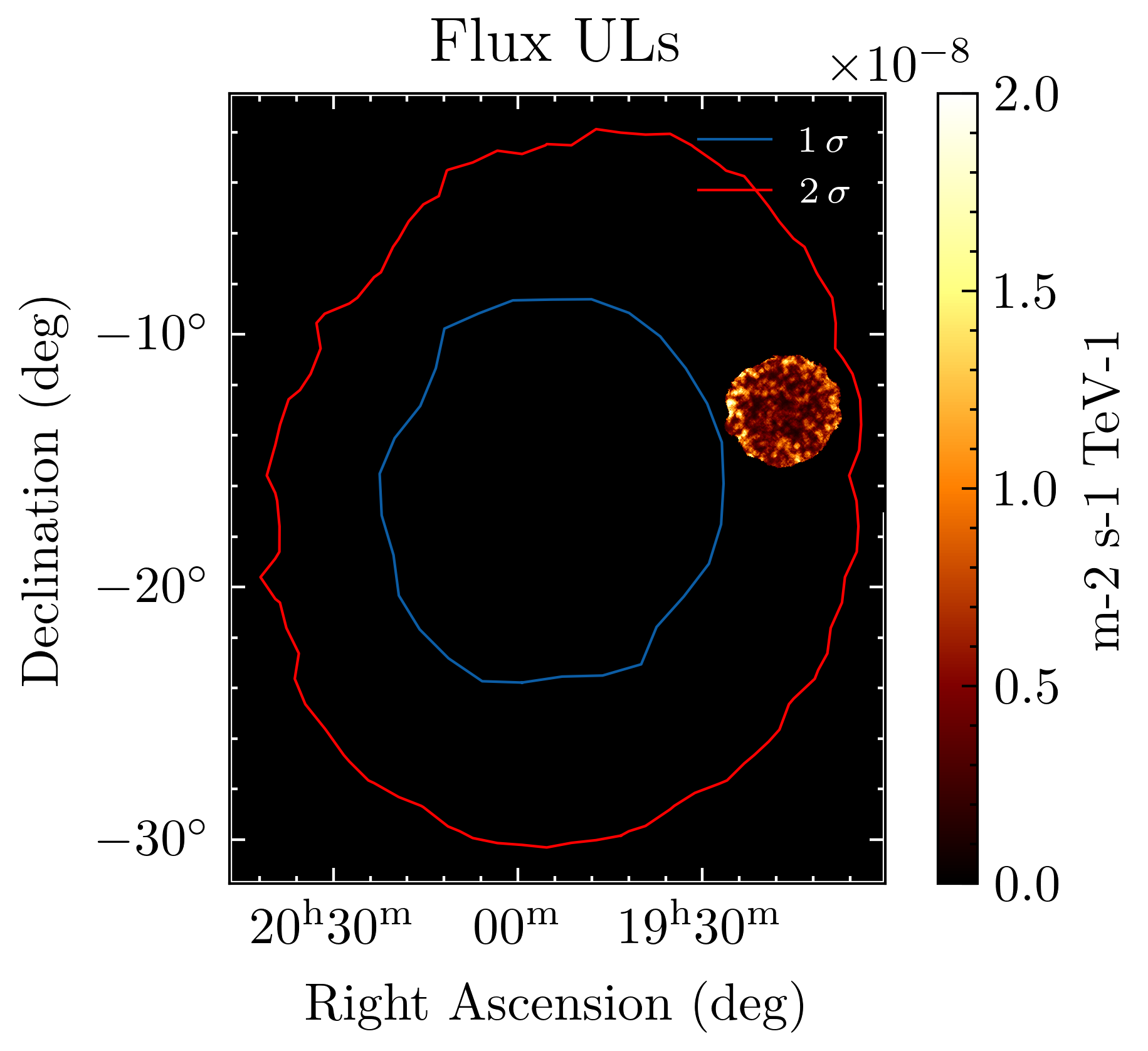
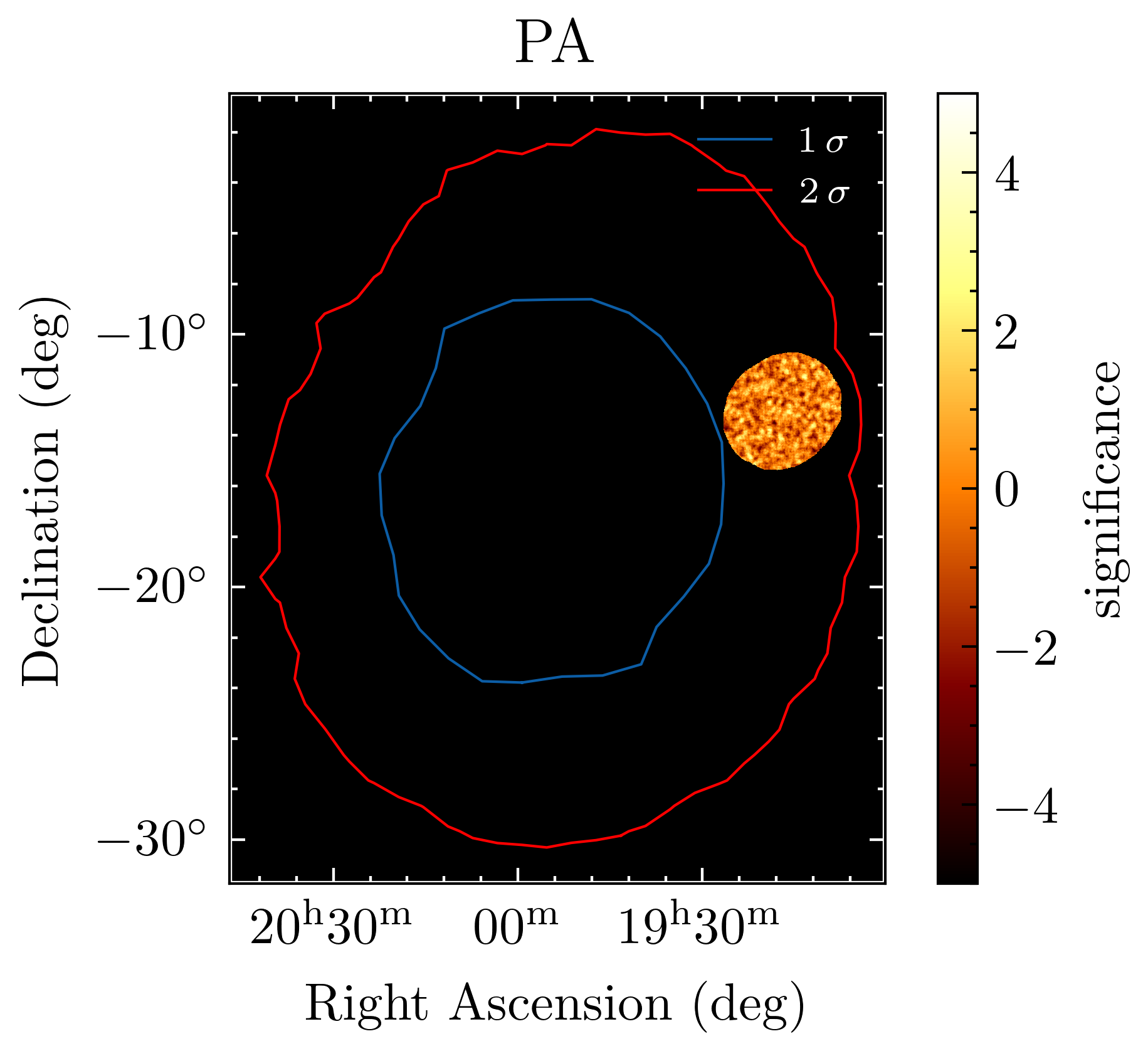
Results. We report GRB follow-up observations with H.E.S.S. from 2004 to 2019, which resulted in no significant VHE signals (aside from the detections of GRB 180720B and GRB 190829A). The resulting upper limits comprise the largest set available for GRBs at VHE.
Conclusions. A subset of bursts with favourable conditions were selected for X-ray analysis and emission modelling. Population studies were performed to compare detected and non-detected GRBs. The results indicate that VHE-detected GRBs are not a distinct population, but tend to feature luminous X-ray emission and favourable redshift and observing conditions. This highlights the potential of next-generation IACTs such as the Cherenkov Telescope Array Observatory (CTAO), whose lower energy threshold will enhance the detection of fainter and more distant GRBs.